
That is to say, if rational enough, it is necessary to judge whether there is a rigid demand when purchasing, and 90% of tablet demand is a pseudo demand. This is also one of the reasons why the tablet market has become increasingly cold in recent years. Compared to before, there are fewer and fewer people playing with tablets on high-speed trains, subways, and airplanes.
Buying a tablet is actually more about consumer upgrades than just needs. Making a supplement between a mobile phone and a laptop is not harmless, but having it adds to the cake. So, if you really want to have a tablet, please don't be too rational.
As mentioned earlier, if 90% are non essential, is there still 10% essential, and where are their needs? Not a tablet?
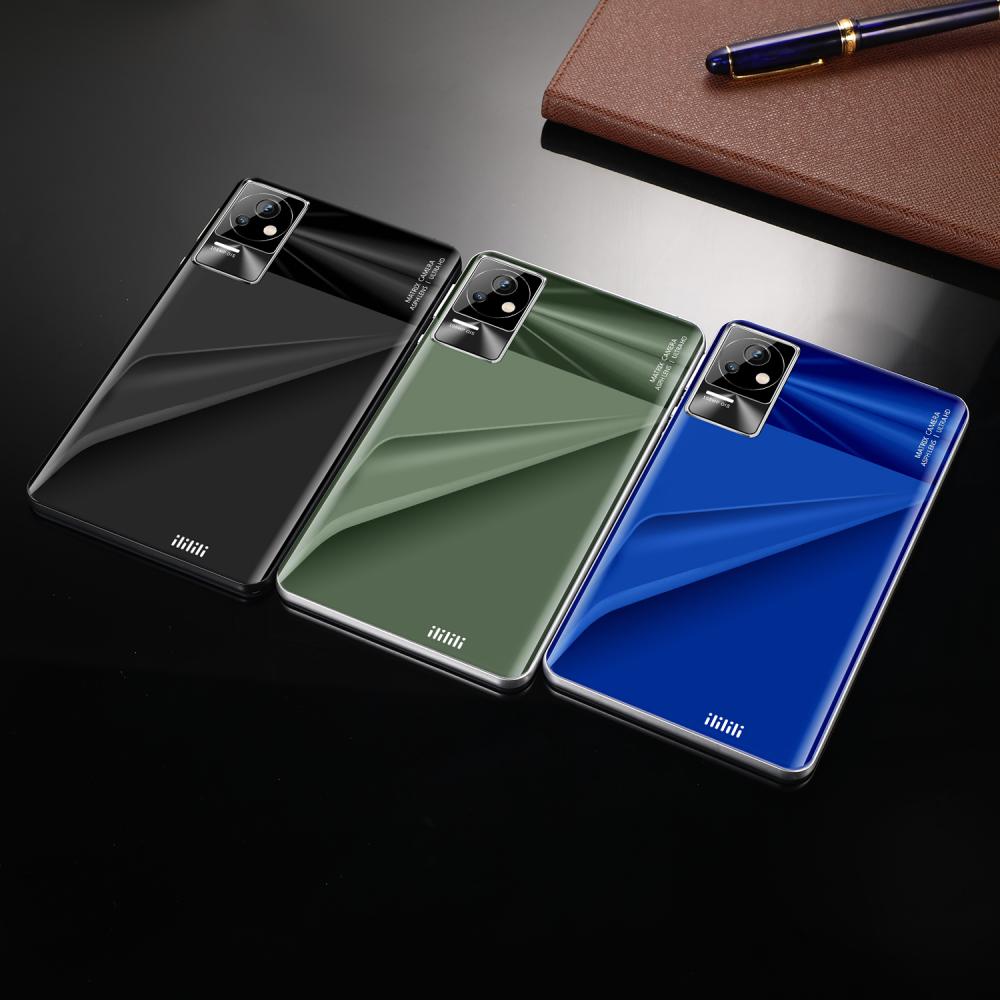
1. Primary school students+elderly population: Whether it's online classes or entertainment, laptops or desktop computers can definitely perform perfectly. But if there are only elderly or children at home, adults go to work. That group has some difficulty in operating computers (especially those with low education), while tablet operation is more understandable and has the advantage of a large screen compared to mobile phones. This usage scenario is one of the essential requirements for tablets.
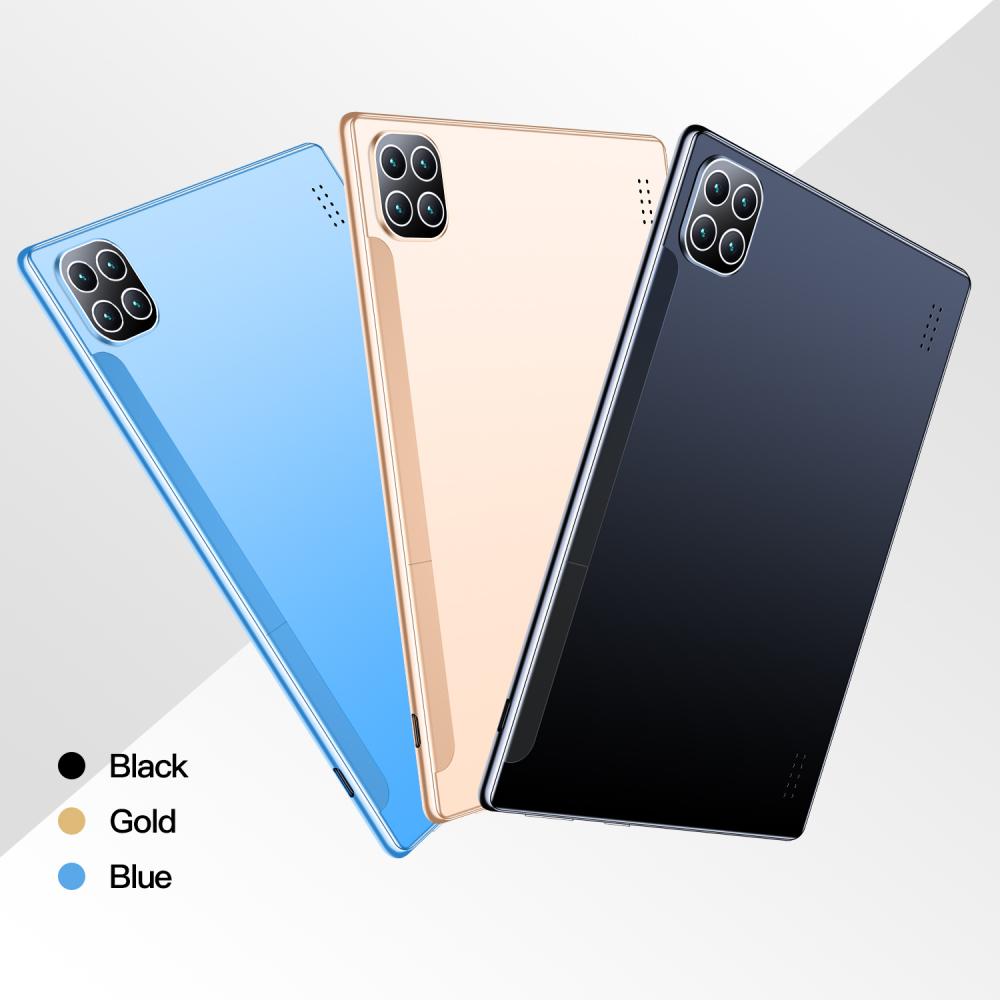
2. Student/Child Mode: Many tablets will develop targeted student or child modes. Using tablets is all for learning purposes. Many mobile phones and laptops cannot fully meet this usage scenario.

Whether it's just a need or a consumer upgrade, since we want to buy it, let's take a look at the current situation of tablets on the market.